Gynecomastia is a condition in which excess breast tissue develops in males, causing the chest to appear enlarged. It can affect one or both sides of the chest and is seen in teenagers as well as adults. While the condition is usually not dangerous, it can lead to self-consciousness, discomfort, and reduced confidence in social situations.
Many men try to improve chest appearance through exercise and weight loss. While these lifestyle changes are beneficial for overall health, they cannot remove excess glandular breast tissue. Understanding when surgery may be the most effective solution helps individuals make informed decisions about treatment.
What Causes Gynecomastia?
Gynecomastia develops when there is an imbalance between hormones that regulate breast tissue growth. In addition to hormonal changes, several other factors can contribute to the condition.
Common causes include:
- Hormonal fluctuations during puberty
- Age-related hormonal changes
- Certain medications
- Obesity
- Medical conditions affecting hormone levels
- Use of anabolic steroids
- Genetic factors
Some cases improve naturally over time, particularly during adolescence, while others persist into adulthood and require medical evaluation.
Gynecomastia or Chest Fat?
A common misconception is that every enlarged male chest is caused by excess fat. In reality, two different conditions can produce a similar appearance.
Gynecomastia involves the growth of glandular breast tissue.
Pseudogynecomastia is caused primarily by fat accumulation in the chest area.
A physical examination helps determine whether enlarged chest tissue is due to fat, glandular tissue, or a combination of both. This distinction is important because treatment recommendations differ.
Signs Surgery May Be Worth Considering
Surgery may become an appropriate option when:
- The condition has remained stable for a prolonged period
- Exercise has not improved chest shape
- Enlarged tissue causes embarrassment or emotional distress
- The chest appears noticeably asymmetrical
- Clothing choices are limited because of chest appearance
- The individual has realistic expectations about the outcome
A consultation with a qualified plastic surgeon helps determine whether surgery is the right choice based on individual anatomy and medical history.
How Gynecomastia Surgery Is Performed
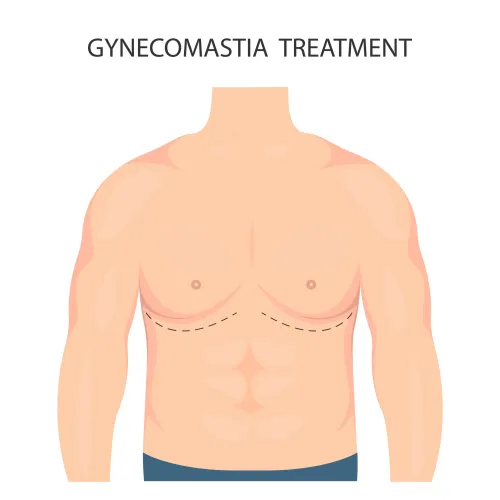
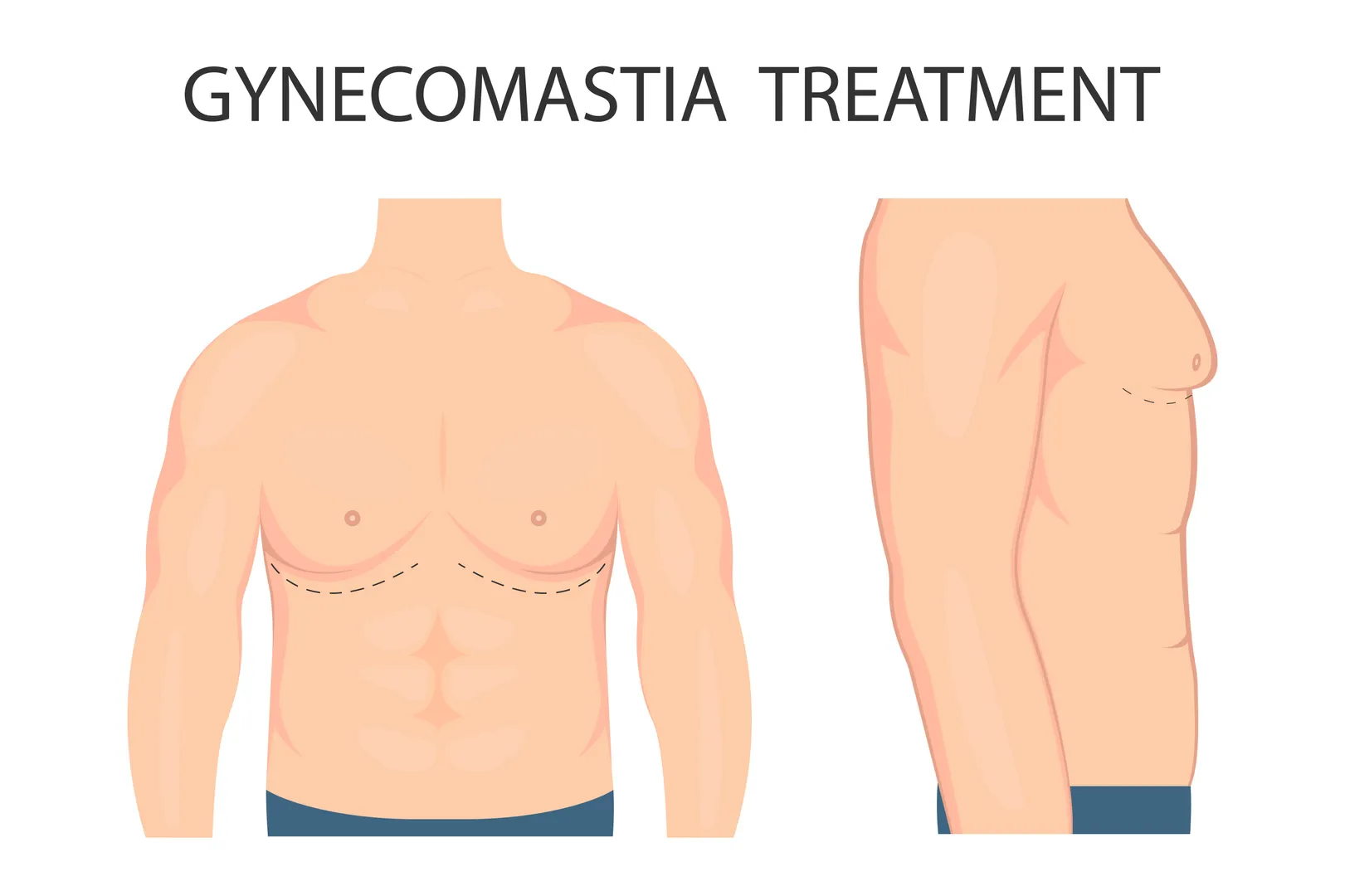
The surgical approach depends on the amount of glandular tissue, excess fat, and skin laxity.
Treatment may involve:
- Removal of excess glandular tissue
- Liposuction to improve chest contour
- A combination of both techniques
- Skin tightening in selected cases
The goal is to create a flatter, firmer, and more masculine chest contour while maintaining natural proportions.
Recovery After Surgery
Recovery varies depending on the extent of correction performed.
Most patients can expect:
- Mild swelling and bruising during the initial days
- Wearing a compression garment to support healing
- Returning to office work within one to two weeks
- Avoiding strenuous exercise until advised by the surgeon
As swelling gradually subsides, the chest contour becomes more defined, with final results continuing to improve over the following months.
What to Look for in a Plastic Surgeon
Gynecomastia surgery requires careful evaluation and personalised planning. Every patient has different chest anatomy, skin quality, and treatment goals, making an individualised approach essential.
Before recommending surgery, an experienced plastic surgeon considers:
- The cause of breast enlargement
- Skin elasticity
- Body proportions
- Overall health
- Desired chest contour
This comprehensive assessment helps determine the most appropriate surgical technique while reducing the likelihood of unnecessary procedures.
Choosing an Experienced Specialist
Men seeking gynecomastia treatment often look for surgeons who focus on achieving natural-looking chest contours while prioritising safety and long-term results. Patients across Jaipur and Rajasthan increasingly value detailed consultations that explain the available treatment options and expected outcomes.
Dr. Nakul Somani provides personalised evaluations for individuals with gynecomastia, carefully assessing the underlying cause before recommending surgery or alternative treatment options. Every treatment plan is designed around the patient's anatomy, concerns, and expectations.
Gynecomastia can affect both physical appearance and emotional well-being, but effective treatment is available. Understanding the condition, recognising when surgery may be appropriate, and consulting an experienced plastic surgeon are important steps toward making a confident and informed decision.
Keywords