A change in appearance does not automatically mean you need surgery, while a problem that affects breathing, movement, wound healing, or daily comfort should not be dismissed as cosmetic. Use the difference between urgent symptoms, stable concerns, functional problems, and realistic goals to decide whether to seek observation, primary-care assessment, specialist treatment, or a plastic-surgery consultation.
Key takeaways
- Seek medical assessment first for new, painful, changing, or infected tissue problems.
- Plan elective surgery after your concern and health status are stable.
- Bring your medical history, medication list, goals, and procedure-specific questions.
- Ask how risks, recovery, alternatives, scars, and results apply to you.
Is your concern cosmetic, reconstructive, or a medical problem first?
{"section":"A consultation is appropriate when a stable appearance concern bothers you or when a tissue problem affects how your body works. Cosmetic concerns include dissatisfaction with shape, proportion, symmetry, scars, hair loss, or excess skin after weight change.
The appointment is an assessment, not a promise that surgery is necessary.\n\nReconstructive surgery addresses congenital differences, trauma, burns and scars, tissue loss, cancer surgery, difficult wound closure, functional obstruction, and deformity after major weight loss.
Reconstruction can improve appearance while restoring movement, protecting tissue, or improving breathing and another affected function.\n\nIf the concern is mild, stable, and improving, continue skincare, exercise, physiotherapy, weight loss, or observation. Do not rush into an operation simply because an imperfection is visible.\n\nArrange a consultation when the problem affects daily life through:\n1.
Pain or other discomfort.\n2. Restricted activity or movement.\n3. Repeated skin irritation or breakdown.\n4. Difficulty wearing clothing.\n5. Breathing, eating, or another functional problem.\n6. Persistent emotional distress about the concern.\n\nEmotional distress deserves respectful discussion, even when no physical limitation exists.
It does not prove that surgery is the right treatment; counselling, medical treatment, observation, or another specialist assessment may better address the cause. A careful surgeon will examine you, discuss non-surgical options, and explain whether the problem is cosmetic, reconstructive, or medical first."}
Which symptoms need medical assessment before a routine cosmetic appointment?
Uncontrolled bleeding, a deep or extensive burn, rapidly worsening swelling, dark or numb tissue, breathing difficulty, sudden facial swelling, or infection needs emergency or urgent care before any routine cosmetic booking. Infection warning signs include spreading redness, fever, pus, and severe pain.
| Situation | What to do | Why it matters |
|---|---|---|
| Immediate danger | Go to emergency or trauma care | Bleeding, burns, breathing problems, tissue loss, and severe infection need stabilisation |
| New or changing breast concern | Arrange medical assessment | A new breast lump, persistent swelling or pain, skin change, unexplained bleeding, or a new fluid collection may need imaging or biopsy |
| Changing skin lesion | Arrange prompt assessment | A rapidly changing lesion is not simply a cosmetic blemish |
| Stable appearance concern | Book an elective consultation after assessment | A surgeon can discuss options once urgent disease has been excluded |
Late swelling or a mass around a textured implant deserves particular attention. Breast implant-associated anaplastic large-cell lymphoma (BIA-ALCL) is uncommon but important, so do not assume these symptoms are routine implant changes.
For silicone implants, FDA silicone breast implant MRI ultrasound surveillance uses ultrasound or MRI at 5–6 years after implantation and every 2–3 years afterward. This is separate from mammography.
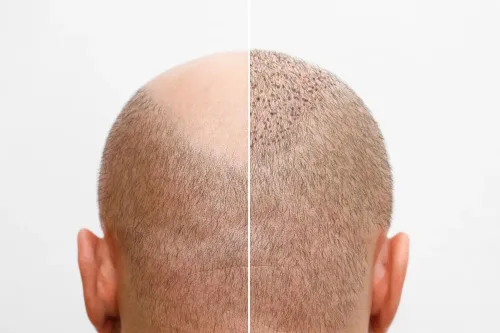
Hair loss also needs diagnosis before transplantation. Pattern loss, alopecia areata, scarring alopecia, telogen effluvium, medication effects, and nutritional or medical problems require different treatment.
When is a concern stable enough to plan elective surgery?
Elective surgery is ready to plan when body changes have settled, health risks are controlled, and your goals remain stable. Use this timing and readiness framework:
1. After pregnancy, wait until breastfeeding has ended and breast or abdominal changes have settled before arranging postpartum surgery. The surgeon can recommend an individual interval based on your recovery and future pregnancy plans.
2. After major weight loss, reach a stable weight before body-contouring surgery. Further loss or gain can alter the result and increase complication risk.
3. After an injury, burn, or previous operation, seek assessment sooner if function or wound healing is threatened. Delay elective correction until the tissue has healed and swelling has settled.
4. Do not use BMI alone to decide safety. Diabetes control, sleep apnea, clotting risk, medication, nutritional status, and physical fitness also affect readiness.
5. Active weight fluctuation, untreated skin disease, uncontrolled diabetes, nicotine use, or untreated mental-health problems can delay surgery. Nicotine cessation four weeks before surgery is a common minimum: stop smoking and all nicotine products at least four weeks beforehand, then remain abstinent during recovery. Your surgeon may require a longer period or nicotine testing.
6. Set specific, realistic goals that have remained consistent. Pressure from another person or a promise of a guaranteed result is a reason to pause, not book.
What should happen during a proper plastic-surgery consultation?
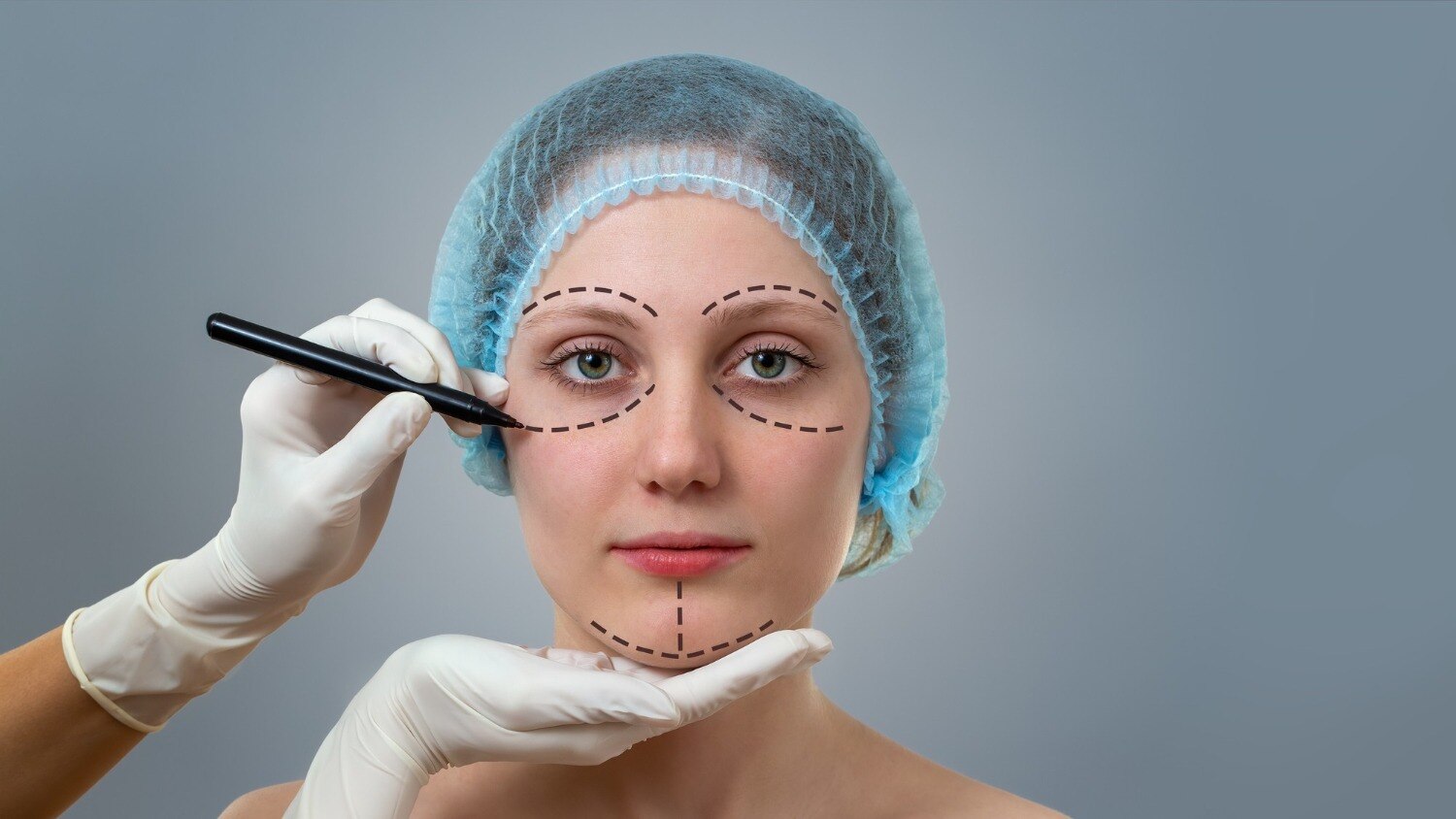
A proper plastic-surgery consultation is an assessment, not a commitment to surgery. The surgeon should review your medical history, diagnoses, medications, allergies, smoking or nicotine use, previous anaesthesia problems, prior operations, weight history, pregnancy plans, and how the concern affects daily activities.
Examination and standardized photographs come before a procedure decision. Imaging, laboratory tests, or another specialist opinion may also be needed.
| Option | What it means | When it applies |
|---|---|---|
| Observation | Monitor change without treatment | Mild, stable, improving concerns |
| Skincare or medication | Treat skin or medical causes | Disease, irritation, or inflammation |
| Physiotherapy | Improve movement or function | Tightness, weakness, or restricted activity |
| Weight management | Change health or body composition first | Active weight fluctuation or weight-related risk |
| Staged reconstruction | Restore tissue or function in planned steps | Major tissue loss, trauma, burns, or cancer surgery |
| Surgery | Alter or repair tissue | Suitable anatomy, health, expectations, and support |
The discussion should name the technique, expected scars, recovery restrictions, major complications, revision risk, total costs, and follow-up plan. Risk-free claims, guaranteed results, and pressure to pay immediately are warning signs.
In the United States, verify ABPS certification through the American Board of Medical Specialties; professional-society membership alone is not equivalent. Ask where surgery will occur, whether it is an accredited surgical facility, and who the anaesthesia provider will be. These are separate checks.
A Jaipur reader considering Dr Nakul Somani can use these questions to judge whether the consultation is individualized and free of pressure to book immediately.
Related services
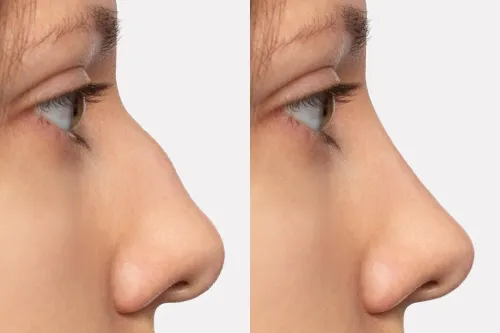
Facial Aesthetics Rhinoplasty Types of Rhinoplasty There are many types of Nose Surgery (Rhinoplasty). One will seek the surgeon’s help if they need a kind of rhinoplasty. |
Mommy Makeover Get a Breast Lift and Breast Reduction by Undergoing Reduction Mammoplasty at Dr Nakul Somani Clinic You can now get your breast lift and breast... View service → |
What information and procedure-specific questions should you bring?
Bring operation notes, implant details, medication and allergy lists, diagnoses, anaesthesia records, smoking or nicotine history, weight changes, pregnancy plans, and photographs showing how the concern changed over time. Include dates when symptoms, scars, swelling, hair loss, or asymmetry appeared.
1. For revision surgery, ask whether asymmetry, capsular contracture, implant rupture, scarring, or dissatisfaction calls for implant removal, staged reconstruction, a different operation, or no further surgery. Revision is not a guaranteed touch-up; altered tissue can make it more complex than the first procedure.
2. Before hair transplantation, ask how the hair transplantation diagnosis was established and whether your donor supply is sufficient. Pattern loss, alopecia areata, scarring alopecia, telogen effluvium, medication effects, and medical or nutritional problems need different treatment.
3. Before genital cosmetic surgery, ask how anatomy, sexual and urinary function, sensation, pain, scarring, and non-surgical causes will be assessed. Ask how often the clinician performs that exact procedure. For adolescents, informed consent, outside pressure, and realistic expectations need specific assessment.
A sound consultation explains individual risks, alternatives, recovery, follow-up, and the possibility of observing rather than operating. Treat risk-free claims, guaranteed results, immediate-payment demands, and no cooling-off period as warning signs. Another opinion may be the right next step.
Frequently asked questions
How do I know whether my concern is cosmetic or reconstructive?
A cosmetic concern involves appearance, proportion, symmetry, scars, hair loss, or excess skin. A reconstructive concern involves tissue damage or a problem affecting function. A medical problem comes first when symptoms need diagnosis or treatment before surgery planning.
Which symptoms need medical assessment before a routine cosmetic appointment?
Arrange medical assessment first for a new or rapidly changing lump, unexplained bleeding, severe or persistent pain, redness, warmth, swelling, discharge, fever, sudden hair loss, or a wound that does not heal.
When is a concern stable enough to plan elective surgery?
Plan elective surgery when the appearance or tissue problem has been assessed, its cause is understood, symptoms are controlled, and your health, weight, medications, and expectations are stable enough for recovery.
What happens during a proper plastic-surgery consultation?
The surgeon reviews your concern, medical history, medications, allergies, previous procedures, examination findings, goals, alternatives, risks, expected recovery, likely scars, and whether surgery is suitable.
What should I bring and ask at a plastic-surgery consultation?
Bring your medication and allergy list, relevant medical records, previous operation details, and clear goals. Ask about alternatives, technique, anaesthesia, risks, recovery time, scars, follow-up, warning signs, and likely limitations.
Related services
Cosmetic Surgeries Neck Liposuction Do you feel that you have an excessively full or “double chin,” despite being at a healthy weight? Liposuction of the neck can... View service → |
Facial Aesthetics Why Ethnic Skin Expertise Matters in Eye Bag Surgery Darker skin tones from Mediterranean to African skin type are affected differently from eye bag... View service → |
Genital Surgeries Labiaplasty Labiaplasty is a surgical procedure designed to alter the appearance or size of the labia minora and/or majora, which are the inner and outer folds... |
Cosmetic Surgeries Abdominoplasty What is abdominoplasty (tummy tuck)? An abdominoplasty is a procedure that flattens your abdomen by removing extra fat and skin and tightening... |