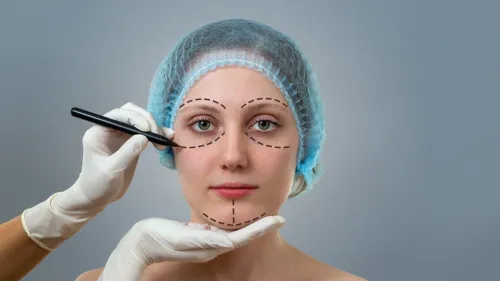
The eyes naturally draw attention during every conversation, making them one of the most expressive features of the face. As the years pass, however, the delicate skin around the eyes begins to lose elasticity. Drooping upper eyelids, under-eye bags, and puffiness can develop gradually, causing a person to look constantly tired or older than they feel. In some cases, excess eyelid skin may even interfere with vision. Eyelid surgery, also known as blepharoplasty, is designed to address these concerns while maintaining a natural and refreshed appearance.
Unlike treatments that temporarily improve the skin, eyelid surgery focuses on correcting structural changes caused by aging, genetics, or lifestyle factors. The goal is not to change how someone looks but to restore a brighter, more rested appearance that complements the rest of the face.
Why Do Eyelids Change Over Time?
The skin around the eyes is thinner than almost anywhere else on the body. As collagen production decreases with age, the tissues gradually become weaker, allowing fat deposits to shift and skin to sag.
Several factors contribute to these changes, including:
- Natural ageing
- Family history
- Sun exposure
- Smoking
- Stress and lack of sleep
- Weight fluctuations
While skincare products can improve skin quality, they cannot remove excess skin or reposition fat that has shifted beneath the eyelids.
Signs Eyelid Surgery May Be Worth Considering
Many people consider eyelid surgery after noticing changes that persist despite maintaining a healthy lifestyle or using cosmetic treatments.
Common concerns include:
- Loose skin hanging over the upper eyelids
- Persistent puffiness around the eyes
- Under-eye bags that do not improve with rest
- A tired or angry facial appearance
- Difficulty applying eye makeup because of excess skin
- Reduced side vision caused by drooping upper eyelids
These concerns can affect both appearance and daily activities, making professional evaluation worthwhile.
What Can Eyelid Surgery Improve?
Blepharoplasty is customised according to the patient's specific concerns. Depending on the condition of the eyelids, surgery may involve removing excess skin, repositioning fat, tightening muscles, or combining several techniques.
The procedure may help improve:
- Hooded upper eyelids
- Loose or sagging skin
- Puffy lower eyelids
- Deep under-eye bags
- Better eyelid contour
- Improved facial freshness
The objective is subtle enhancement rather than creating an artificial or overly tight appearance.
Upper Eyelid Surgery and Lower Eyelid Surgery
Upper eyelid surgery focuses on removing excess skin and tissue that can make the eyes appear heavy or obstruct peripheral vision.
Lower eyelid surgery is commonly performed to reduce under-eye bags and puffiness by repositioning or removing fat while tightening surrounding tissues when necessary.
Some patients require only one procedure, while others benefit from treating both upper and lower eyelids together. The treatment plan depends entirely on individual anatomy and cosmetic goals.
Recovery After Blepharoplasty
Most patients experience mild swelling and bruising during the first several days following surgery. Cold compresses, prescribed medication, and adequate rest usually help improve comfort during the healing period.
Many individuals return to office work within one to two weeks, although strenuous exercise should be avoided until approved by the surgeon.
Because the incisions are carefully placed within the natural eyelid folds or just below the eyelashes, scars usually become difficult to notice as healing progresses.
Who Is a Suitable Candidate?
Eyelid surgery may be appropriate for adults who:
- Have realistic expectations
- Are in good general health
- Experience drooping eyelids or under-eye bags
- Want long-lasting improvement in eyelid appearance
- Have vision affected by excess upper eyelid skin
A detailed consultation allows the surgeon to evaluate eye health, skin quality, facial proportions, and medical history before recommending the most suitable treatment approach.
Choosing the Right Plastic Surgeon
Eyelid surgery requires precision because even small adjustments can influence facial expressions. Preserving the natural character of the eyes while improving their appearance is one of the most important aspects of successful treatment.
Patients throughout Jaipur and Rajasthan often seek experienced specialists who understand both cosmetic enhancement and reconstructive eyelid surgery. Dr. Nakul Somani carefully evaluates each patient's facial anatomy before recommending a personalized treatment plan, ensuring the procedure is tailored to individual concerns rather than following a standard technique.
For people considering eyelid surgery, understanding the procedure, expected recovery, and realistic outcomes can help them make a confident and informed decision while choosing treatment that enhances both appearance and everyday comfort.
Keywords