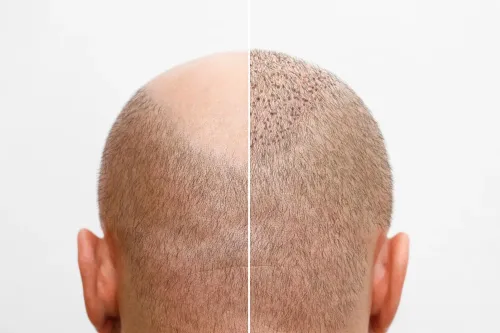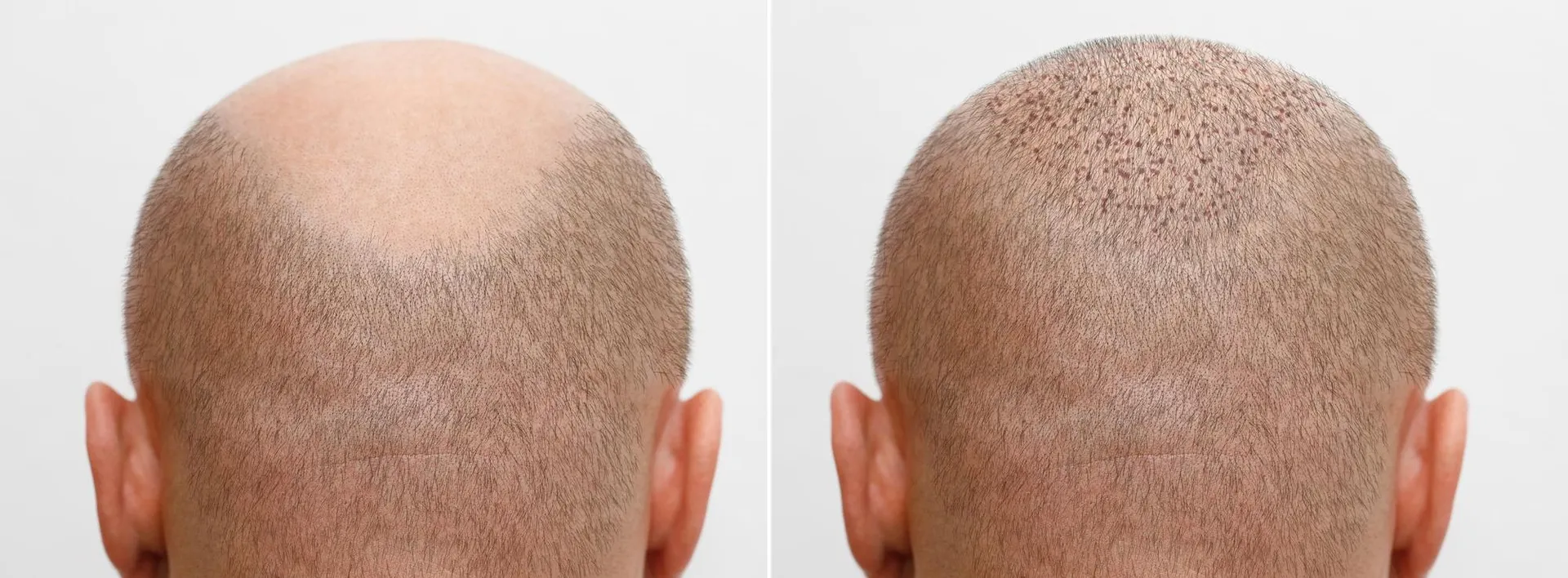
Hair thinning can gradually change the appearance of the hairline, temples, crown and other areas of the scalp. For people experiencing permanent pattern hair loss, hair transplantation may be considered when suitable donor hair is available and the pattern of hair loss has been properly assessed.
In Jaipur and across Rajasthan, people considering a hair transplant often want to understand one basic question first: how does transplanted hair actually grow?
How Hair Transplantation Works
Hair transplantation involves moving suitable hair follicles from a donor area, usually at the back or sides of the scalp, to areas affected by hair loss. These donor follicles are selected because they may be more resistant to the effects of pattern hair loss.
The objective is not simply to place as many grafts as possible. A well-planned procedure considers:
- Existing hair density
- Donor hair availability
- Hair thickness and texture
- Direction of natural hair growth
- Current degree of hair loss
- Expected progression of hair loss
- Age and facial proportions
- Desired hairline appearance
The number of grafts required can therefore vary considerably between individuals.
Why Hairline Planning Matters
A natural-looking hairline is influenced by more than density. Its height, shape, irregularity and relationship with the temples all contribute to the final appearance.
An excessively low or unnaturally straight hairline may not remain appropriate as a person ages. Planning should take future hair loss into consideration rather than focusing only on the current appearance.
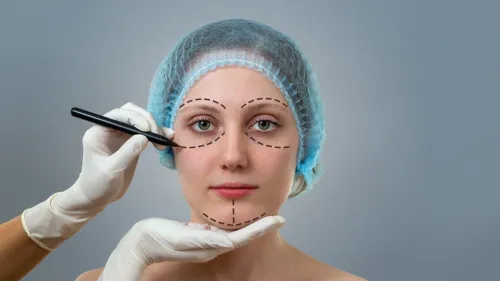
This is why assessment by a qualified plastic surgeon can be important before deciding on surgery.
What Happens After Transplantation
The transplanted area goes through several stages of healing and growth. Some transplanted hairs may shed during the initial period after surgery. This does not necessarily mean that the follicles have been lost.
New growth generally develops gradually rather than immediately. Hair characteristics and growth timelines differ from person to person, so patients should have realistic expectations about when visible changes may become noticeable.
Post-procedure instructions may include guidance about scalp washing, sleeping position, physical activity, prescribed medicines and protection of the treated area.
Is Every Type of Hair Loss Suitable for Transplantation
No. Hair transplantation is not automatically appropriate for everyone experiencing hair loss.
Hair loss may be associated with pattern baldness, nutritional issues, hormonal changes, certain illnesses, medicines, scalp conditions and other factors. Some forms of temporary hair shedding may need medical evaluation rather than surgery.
A proper assessment may include examining the scalp, understanding the pattern and duration of hair loss and reviewing relevant health factors.
For patients exploring hair transplantation in Jaipur, Dr. Nakul Somani evaluates factors such as donor availability, existing density and the likely progression of hair loss before discussing surgical suitability.
Donor Hair Is a Limited Resource
One of the most important concepts to understand is that donor hair is finite. Once follicles are removed from a donor area, careful planning is needed to distribute them appropriately.
This becomes particularly important for younger patients whose hair loss may continue over time. Using too much donor hair during an early procedure can limit future options.
Realistic Expectations Matter
Hair transplantation can redistribute existing follicles, but it cannot create an unlimited supply of new donor hair. The achievable density depends on individual anatomy and donor resources.
People considering the procedure should therefore focus on proportion, coverage and a natural appearance rather than expecting the density they had before hair loss began.
For individuals in Jaipur and other parts of Rajasthan researching hair restoration, understanding these fundamentals makes it easier to have a meaningful consultation and evaluate whether transplantation is appropriate for their particular pattern of hair loss.
Keywords