Finding extra hair on a pillow, in the shower or on a comb can be concerning. However, hair shedding does not always indicate permanent baldness. The first step in choosing appropriate hair fall treatment is understanding why the hair is falling.
Hair growth follows a natural cycle, and some shedding is expected. Concern becomes more relevant when shedding increases noticeably, continues for an extended period or is accompanied by visible thinning.
Common Patterns of Hair Fall
Hair loss does not look the same in every person. It may appear as:
- Gradual recession around the temples
- Widening of the central hair part
- Thinning over the crown
- Increased shedding across the scalp
- Distinct patches of hair loss
- Changes in hair density
- Hair breakage rather than root-level shedding
Recognising the pattern can provide useful clues, but self-diagnosis based only on appearance may be misleading.
Why Hair May Begin Falling
Several factors can contribute to excessive shedding or thinning. These may include genetic pattern hair loss, stress, nutritional deficiencies, hormonal changes, certain medical conditions, scalp disorders and some medications.
A period of significant physical stress, illness, surgery or major dietary change may also be followed by temporary increased shedding.
This is why treatment advertised simply as a universal solution for hair fall should be approached cautiously.
When Should You Seek an Evaluation
Occasional increased shedding may settle, but an assessment becomes more useful when:
- Hair fall continues for several weeks or months
- The scalp becomes increasingly visible
- The hairline is noticeably receding
- Bald patches develop
- There is itching, scaling or inflammation
- Hair loss begins suddenly
- There is a strong family history of progressive baldness
- Previous treatments have produced little improvement
People in Jaipur and surrounding areas of Rajasthan may also seek an assessment when they are uncertain whether they need medical management, supportive treatments or a hair restoration procedure.
Treatment Depends on the Cause
There is no single hair fall treatment suitable for every patient.
If a reversible trigger is contributing to shedding, addressing that factor may be more appropriate than considering a surgical procedure. When progressive pattern hair loss is present, medical management may be discussed depending on the patient's health profile and diagnosis.
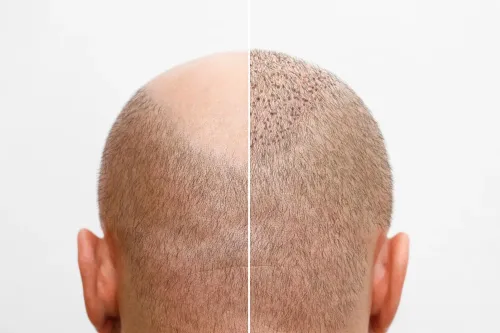
Hair transplantation may be considered in selected patients with established hair loss and adequate donor follicles, but it is not the starting point for every case.
Avoid Frequently Changing Treatments
One common mistake is switching repeatedly between shampoos, oils, supplements, serums and procedures without identifying the underlying problem.
Hair growth is slow. Many legitimate treatment approaches require time before meaningful changes can be assessed. Constantly changing the plan can make it difficult to determine what is helping.
Another concern is using medicines or supplements without professional guidance. Even products marketed for hair health may not be necessary for every individual.
Documenting Hair Changes Can Help
Taking photographs under similar lighting and from consistent angles can help track changes over time. Useful views include the frontal hairline, temples, top of the scalp and crown.
During an evaluation, a doctor may consider the duration of hair loss, family history, previous treatments, scalp condition and overall pattern.
At Dr. Nakul Somani's practice in Jaipur, hair concerns can be evaluated to distinguish between cases that may benefit from conservative management and those where hair restoration procedures may be considered.
Hair fall should ultimately be treated as a symptom rather than a diagnosis. Understanding its cause is the foundation of sensible treatment planning and can help patients avoid unnecessary procedures while identifying appropriate options at the right stage.
Keywords