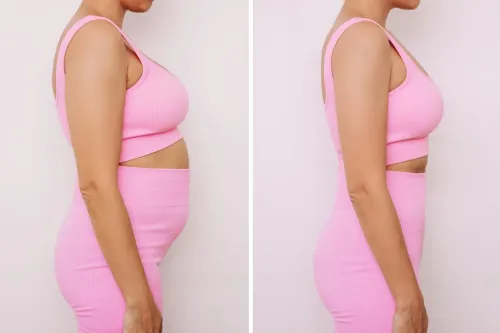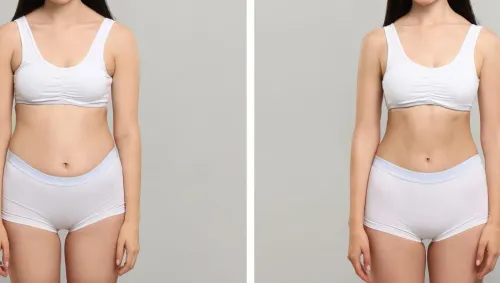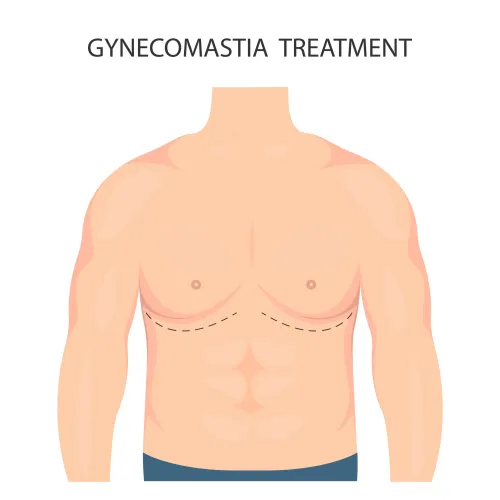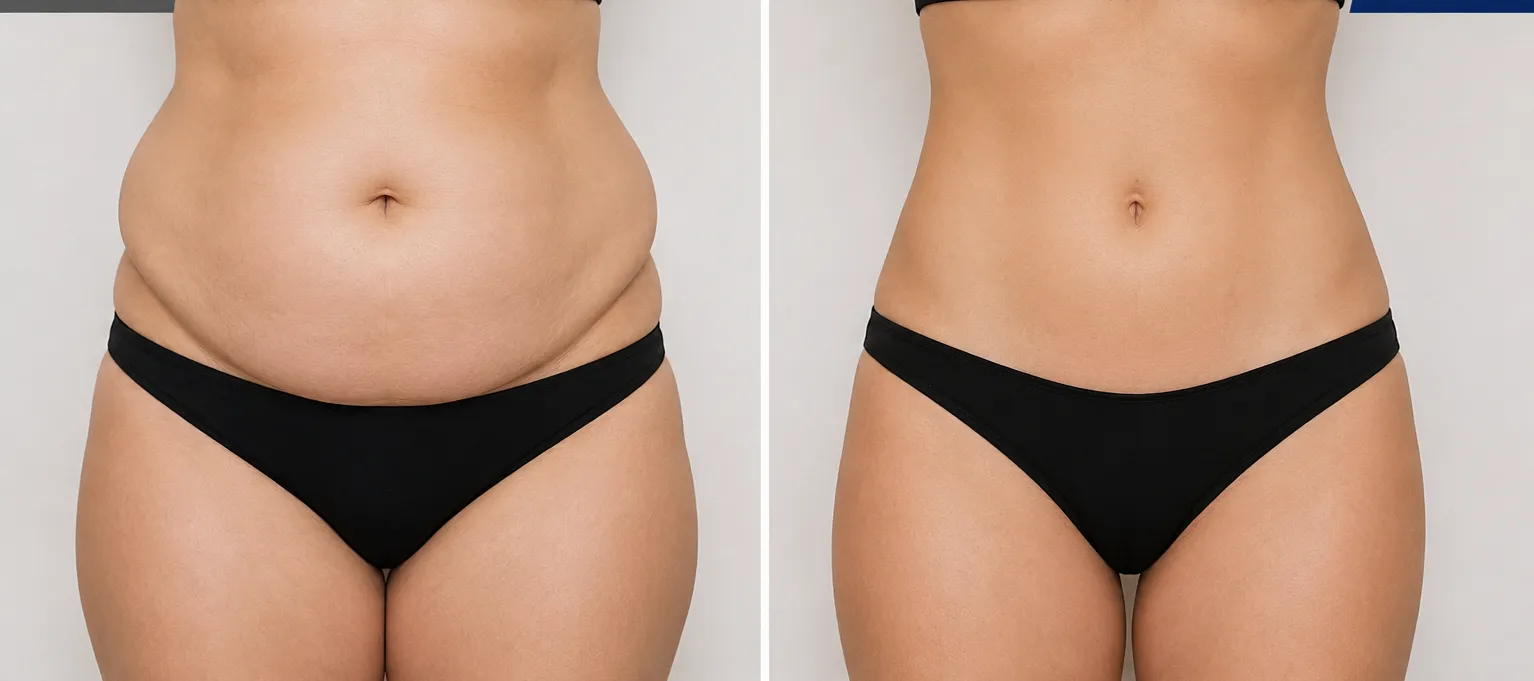
Some areas of the body may retain localised fat despite changes in diet, exercise and overall weight. Liposuction is a body-contouring procedure designed to remove selected fat deposits and improve proportion in suitable patients.
It is important, however, to understand what the procedure can realistically accomplish. Liposuction is not intended to function as a general weight-loss treatment.
What Liposuction Actually Does
During liposuction, selected fat is removed through small incisions using specialised surgical instruments. Treatment may be considered for areas such as the abdomen, waist, thighs, arms, back and certain other regions depending on individual anatomy.
The goal is usually to improve contour rather than produce a particular number on a weighing scale.
Two people with similar body weight may therefore require very different treatment plans because fat distribution, skin quality and body proportions differ.
Skin Quality Influences the Result
Removing fat is only one part of body contouring.
The skin must adapt to the altered underlying volume. Patients with relatively good skin elasticity may experience different contour changes from people with significant loose or stretched skin.
This distinction becomes especially important around the abdomen.
When the primary concern is excess fat with reasonably firm skin, liposuction may be considered. When substantial loose skin or abdominal wall laxity is present, another procedure may need to be discussed.
What Liposuction Cannot Do
Understanding the limitations of liposuction prevents unrealistic expectations.
It is not primarily intended to:
- Treat obesity
- Replace regular physical activity
- Guarantee perfectly smooth skin
- Remove large amounts of loose skin
- Prevent future weight gain
- Correct every type of body asymmetry
Existing cellulite and skin laxity also require separate consideration.
Who May Be Considered a Suitable Candidate
Suitability is determined individually. In general, assessment may consider overall health, weight stability, skin quality, fat distribution, previous surgery and the person's expectations.
Smoking history, medicines and medical conditions may also affect surgical planning and recovery.
For people considering liposuction in Jaipur, consultation with a qualified plastic surgeon provides an opportunity to determine whether the concern is predominantly excess fat, loose skin or a combination of both.
Recovery Is Part of the Procedure
Body contouring does not finish when surgery ends.
Swelling and bruising can occur during recovery, and the treated area may take time to settle. Compression garments may be advised in some cases according to the surgical plan.
Patients also receive guidance about activity, wound care and follow-up. Final contour assessment generally requires patience because early postoperative swelling can temporarily obscure the result.
Maintaining Results Over Time
Fat cells removed through liposuction do not make a person immune to future weight changes. Remaining fat cells can still increase in size when body weight rises.
Maintaining relatively stable weight through appropriate nutrition and activity can therefore support longer-term contour stability.
Dr. Nakul Somani discusses body-contouring options with patients in Jaipur based on anatomy and individual goals rather than treating liposuction as a standard solution for every body concern.
For anyone researching cosmetic surgery in Rajasthan, the most useful way to think about liposuction is as a targeted reshaping procedure. It can help address specific areas of disproportion in appropriately selected patients, but careful assessment, realistic expectations and responsible postoperative care remain essential parts of the process.
Keywords