Hair transplantation has become one of the most effective long-term solutions for permanent hair loss. Advances in surgical techniques now make it possible to achieve natural-looking hairlines and improved hair density without the artificial appearance often associated with older procedures. However, the success of a hair transplant depends less on the technology used and more on the experience of the surgeon performing the procedure.
Many people begin their research by comparing prices or clinic advertisements. While these factors may seem important, choosing a qualified hair transplant surgeon should always be based on expertise, treatment planning, and realistic expectations rather than promotional claims.
Is Hair Transplantation the Right Solution?
Hair transplantation is generally recommended for individuals who have experienced permanent hair loss where follicles are no longer producing healthy hair. The procedure involves relocating healthy hair follicles from a donor area, usually the back or sides of the scalp, to areas affected by baldness or thinning.
Suitable candidates often include people who:
- Have male or female pattern baldness
- Possess a healthy donor area
- Have stable hair loss
- Are in good overall health
- Understand that results develop gradually
A detailed scalp assessment is essential before determining whether surgery is the most appropriate treatment.
Factors That Influence Natural Results
Natural-looking outcomes depend on much more than simply placing hair follicles into bald areas. Careful planning is required to recreate the natural direction, angle, and density of hair growth.
Important considerations include:
- Designing an age-appropriate hairline
- Preserving donor hair for future needs
- Matching hair density to facial proportions
- Maintaining natural hair growth patterns
- Avoiding overharvesting from the donor area
Every patient's hair characteristics and facial structure are different, making individualised planning essential.
Questions to Ask During Your Consultation
A consultation provides an opportunity to understand both the procedure and the surgeon's approach.
Useful questions include:
- Am I a suitable candidate for hair transplantation?
- Which technique is recommended for my condition?
- How many grafts may be required?
- What results can I realistically expect?
- How long will recovery take?
- Will I need additional treatments in the future?
Clear and honest answers help patients make informed decisions without unrealistic expectations.
Understanding FUE Hair Transplant
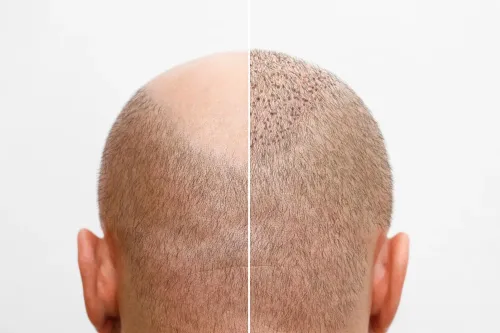
Follicular Unit Extraction (FUE) is one of the most commonly performed modern hair transplant techniques. Individual follicular units are carefully harvested from the donor area and implanted into areas affected by hair loss.
The advantages of FUE may include:
- Minimal visible scarring
- Faster recovery for many patients
- Natural-looking hair placement
- Ability to wear shorter hairstyles
- Long-term improvement in hair density
The suitability of FUE depends on donor hair quality and the extent of hair loss.
Why Experience Matters More Than Technology
Modern equipment supports successful procedures, but it cannot replace surgical expertise. Hair transplantation combines medical knowledge with artistic judgment to create results that look natural from every angle.
An experienced surgeon carefully evaluates:
- Hair calibre
- Hair colour
- Curl pattern
- Donor area quality
- Facial symmetry
- Future progression of hair loss
This long-term planning helps preserve donor hair while achieving results that continue to look natural over time.
Recovery and Long-Term Expectations
Most patients return to routine activities within several days, although complete healing takes longer. Newly transplanted hairs usually shed during the first few weeks, which is a normal part of the growth cycle.
New hair growth typically develops gradually over several months, with continued improvement throughout the first year. Patience is important, as the final result cannot be judged immediately after surgery.
Selecting a Trusted Hair Restoration Specialist
Choosing a hair transplant surgeon is a decision that affects long-term appearance and confidence. Rather than focusing only on cost or marketing claims, patients should prioritise clinical experience, personalised planning, and transparent communication.
Individuals across Jaipur and Rajasthan often look for specialists who provide comprehensive evaluations before recommending surgery. Dr. Nakul Somani carefully assesses donor hair quality, scalp condition, and future hair loss patterns to create customised treatment plans that aim for balanced, natural-looking outcomes.
A successful hair transplant begins long before the procedure itself. Selecting an experienced surgeon, understanding realistic expectations, and receiving a personalized treatment plan are the foundations of achieving results that continue to look natural for years to come.
Keywords