The nose is one of the most defining features of the face. Even subtle differences in its shape or size can influence overall facial harmony. While many people associate rhinoplasty with cosmetic enhancement, the procedure can also improve nasal function for individuals experiencing breathing difficulties. Understanding how rhinoplasty works and what it can achieve helps patients make informed decisions before considering treatment.
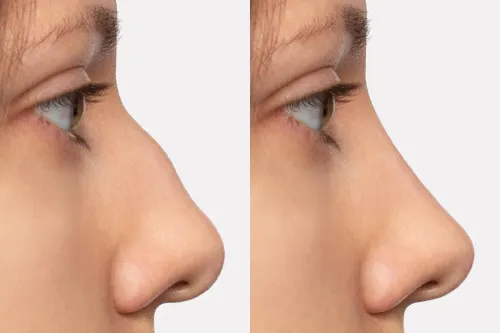
Rhinoplasty is a surgical procedure that reshapes the nose to improve its appearance, function, or both. Some people seek treatment to reduce a prominent hump, refine a broad nasal tip, straighten a crooked nose, or correct changes caused by injury. Others choose rhinoplasty because structural abnormalities inside the nose make breathing difficult. Since every face is unique, the procedure is carefully planned to create balanced and natural-looking results rather than dramatically changing facial identity.
Why People Choose Rhinoplasty
The reasons for undergoing rhinoplasty vary from one person to another. Some of the most common concerns include:
- A nose that appears too large or too small for the face
- A hump along the nasal bridge
- A drooping, wide, or rounded nasal tip
- Crookedness caused by genetics or trauma
- Uneven nostrils
- Difficulty breathing because of structural nasal problems
Rather than focusing on one feature alone, an experienced plastic surgeon evaluates how the nose fits with the forehead, lips, chin, and cheeks. The objective is to create facial balance while preserving individuality.
Every Rhinoplasty Procedure Is Different
No two noses have the same anatomy, which is why rhinoplasty is never a standard procedure. Before recommending surgery, a surgeon carefully examines several factors, including:
- Facial proportions
- Skin thickness
- Bone and cartilage structure
- Nasal symmetry
- Airway function
- Previous injuries or surgeries
These details help determine what changes are achievable while maintaining a natural appearance. Patients with realistic expectations are often more satisfied because the goal is refinement rather than perfection.
Cosmetic Benefits Beyond Nose Shape
Although rhinoplasty focuses on the nose, its effects often extend to the overall appearance of the face. Improving nasal proportions can make other facial features appear more balanced without altering them directly.
Potential aesthetic improvements include:
- Better facial symmetry
- A more refined side profile
- Improved definition of the nasal tip
- Enhanced harmony between the nose, lips, and chin
- Increased confidence in facial appearance
Because the changes are customised, successful rhinoplasty should complement the face rather than draw attention to the surgery itself.
Functional Improvements Can Be Equally Important
Not everyone seeks rhinoplasty for cosmetic reasons. Structural issues such as a deviated nasal septum, congenital abnormalities, or previous injuries may affect breathing quality.
When appropriate, functional corrections can be performed during the same procedure to improve airflow while also enhancing appearance. This combined approach often reduces the need for multiple surgeries and allows patients to address both concerns together.
Understanding the Recovery Process
Recovery following rhinoplasty varies depending on the complexity of the procedure and individual healing. Mild swelling, bruising around the eyes, and temporary nasal congestion are common during the first week.
Most patients can resume office-based work within one to two weeks. Activities involving heavy lifting, intense exercise, or contact sports should be postponed until advised by the surgeon. Although visible improvements appear within a few weeks, the final nasal shape develops gradually as swelling continues to settle over several months.
Following postoperative instructions carefully plays an important role in achieving the best possible outcome.
Choosing an Experienced Plastic Surgeon
Rhinoplasty is one of the most technically demanding cosmetic procedures because even small adjustments can influence facial harmony and nasal function. Selecting a qualified plastic surgeon with experience in both cosmetic and reconstructive techniques helps ensure treatment is planned according to the patient's facial anatomy rather than temporary beauty trends.
Patients across Jaipur and other parts of Rajasthan often look for specialists who prioritise natural-looking results while preserving normal breathing function.
Dr. Nakul Somani, a plastic, cosmetic, and reconstructive surgeon in Jaipur, approaches rhinoplasty with detailed facial analysis and personalised treatment planning. Every recommendation is based on individual anatomy, lifestyle, and expectations, helping patients understand the procedure before making a decision.
For anyone considering rhinoplasty, learning about the treatment, expected recovery, and realistic outcomes is the first step towards choosing an approach that enhances both appearance and confidence.
Keywords