The nose occupies a central position on the face, so even subtle changes can influence overall facial appearance. Rhinoplasty is performed to alter selected aspects of nasal shape, proportion and structure, but planning should consider much more than creating a smaller nose.
A thoughtful assessment looks at how the nose relates to the forehead, eyes, cheeks, lips, chin and overall facial profile.
Start With Specific Concerns
Patients may seek rhinoplasty because they are concerned about:
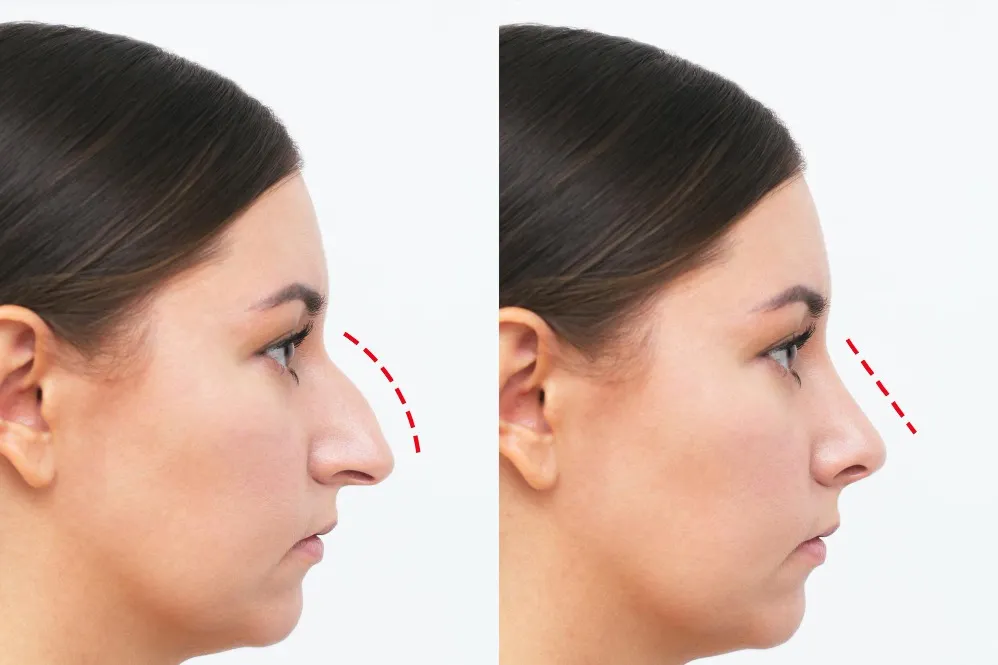
- A prominent nasal hump
- Nasal width
- Tip shape
- Tip projection
- Asymmetry
- Previous nasal injury
- Overall facial proportion
- Structural concerns affecting breathing
Describing the specific feature that causes concern is more useful than simply requesting a particular celebrity's nose.
Facial Proportion Guides Planning
A nose that looks balanced on one face may not suit another.
The surgeon evaluates the nose in relation to the patient's existing facial structure. Chin projection, facial width and profile can all influence how nasal proportions are perceived.
This is why rhinoplasty planning should preserve individual identity rather than follow a standard template.
Cosmetic Appearance Is Only Part of the Assessment
Nasal structure also has a functional role.
Patients who have difficulty breathing through the nose should mention this during consultation. Previous trauma, surgery and longstanding nasal obstruction are also relevant.
Aesthetic goals should not be considered independently of nasal function.
Photographs Help Define Expectations
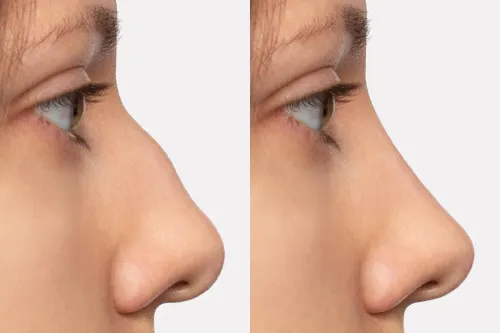
Standardised clinical photographs may be used to assess the nose from several angles and discuss possible changes.
Patients can also bring reference photographs to communicate what they like or dislike, but reference images should be treated as discussion tools rather than guaranteed outcomes.
Skin thickness, cartilage, bone structure and previous injuries affect what can reasonably be achieved.
Understand Recovery Before Choosing Surgery
Swelling is expected after rhinoplasty and can take time to settle. Some changes become visible earlier, while finer definition may continue evolving over a longer period.
Patients should understand that an early postoperative appearance is not necessarily the final result.
Recovery instructions may address physical activity, protection from accidental impact, sleeping position, wound care and follow-up.
Avoid Choosing Surgery Based on Price Alone
When comparing rhinoplasty options, patients should consider the surgeon's qualifications, experience with nasal surgery, consultation quality, facility standards and postoperative care.
A low initial price does not provide enough information to evaluate the quality or suitability of treatment.
People considering rhinoplasty in Jaipur should also ask who will perform the operation and where the surgery will take place.
Preparing for a Meaningful Consultation
Before meeting a surgeon, write down the two or three features you most want to discuss. Also disclose previous nasal injuries, breathing problems, operations, medicines and relevant medical history.
Dr. Nakul Somani consults patients in Jaipur who are exploring aesthetic and reconstructive nasal surgery, with planning based on facial anatomy and individual concerns.
For patients coming from elsewhere in Rajasthan, the recovery period and postoperative visits should be included when organising travel and time away from work.
Successful rhinoplasty planning begins with a realistic objective. The question is not simply how to make the nose different, but how proposed structural changes may fit the patient's face while taking nasal function and long-term appearance into consideration.
Keywords