Hair thinning often begins gradually. It may start with increased hair shedding while washing, a widening hair part, or reduced hair density that becomes noticeable over time. Although these changes can affect confidence, not every case of hair loss requires surgery. For many individuals in the early stages of hair thinning, PRP hair treatment has emerged as a non-surgical option that supports healthier hair growth.
Platelet-Rich Plasma (PRP) therapy uses the healing components found in a person's own blood to stimulate hair follicles. Rather than replacing lost hair, the treatment aims to improve the health of existing follicles, making it a suitable option for selected patients experiencing early hair loss.
Understanding how PRP works and who can benefit from it helps individuals choose the right treatment before hair thinning becomes more advanced.
What Is PRP Hair Treatment?
PRP hair treatment begins by drawing a small sample of the patient's blood. The blood is then processed in a centrifuge to separate platelet-rich plasma, which contains a concentrated amount of growth factors.
This platelet-rich plasma is carefully injected into targeted areas of the scalp where hair thinning has occurred.
The growth factors released by platelets may help:
- Stimulate dormant hair follicles
- Improve blood supply around follicles
- Support healthier hair growth
- Strengthen existing hair
- Reduce ongoing hair shedding
Since PRP uses the patient's own blood, the risk of allergic reactions is minimal.
Who Can Benefit from PRP Hair Treatment?
PRP is generally recommended for individuals experiencing early to moderate hair thinning rather than complete baldness.
Suitable candidates may include those who:
- Notice increasing hair fall
- Have thinning hair along the scalp
- Experience hereditary hair loss in its early stages
- Want a non-surgical hair restoration option
- Wish to improve the results of other hair restoration treatments
A professional scalp examination helps determine whether PRP is likely to provide meaningful improvement.
What Happens During the Procedure?
PRP treatment is performed as an outpatient procedure and usually takes less than an hour.
The process typically includes:
- Collection of a small blood sample
- Preparation of platelet-rich plasma
- Cleansing of the scalp
- Careful PRP injections into treatment areas
- Brief observation before returning home
Most patients resume normal daily activities shortly after the procedure.
How Many Sessions Are Usually Needed?
Hair growth is a gradual biological process, so PRP treatment generally requires multiple sessions.
Although treatment plans vary, many patients benefit from:
- An initial series of treatment sessions
- Follow-up maintenance sessions when recommended
- Periodic reviews to monitor progress
The exact schedule depends on the severity of hair loss, the patient's response to treatment, and long-term hair restoration goals.
When Can Results Be Expected?
PRP does not produce overnight results because hair follicles require time to respond to stimulation.
Many patients notice gradual improvements such as:
- Reduced hair shedding
- Stronger existing hair
- Improved hair thickness
- Better scalp coverage
- Healthier hair growth over several months
Individual outcomes vary depending on age, genetics, the cause of hair loss, and the condition of the hair follicles before treatment begins.
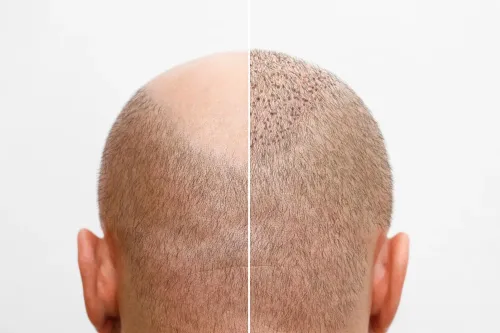
PRP Hair Treatment Compared with Hair Transplantation
PRP and hair transplantation are not competing treatments. Instead, they are used for different stages of hair loss.
PRP is generally more suitable for:
- Early hair thinning
- Strengthening existing hair
- Delaying progression of hair loss
- Supporting scalp health
Hair transplantation may become a better option when hair follicles are permanently lost and no longer capable of producing healthy hair.
A detailed consultation helps determine which approach is most appropriate for each patient.
Choosing the Right Hair Restoration Specialist
Hair loss has many possible causes, including genetics, hormonal changes, nutritional deficiencies, stress, and certain medical conditions. Effective treatment begins with identifying the underlying reason rather than selecting a procedure based solely on online information.
Patients across Jaipur and Rajasthan increasingly seek personalised hair restoration solutions that match the stage of their hair loss. Dr. Nakul Somani carefully evaluates scalp health, hair density, and individual treatment goals before recommending PRP hair treatment or alternative options where appropriate.
Early intervention often provides the best opportunity to preserve existing hair. Seeking professional advice when the first signs of thinning appear can help patients choose evidence-based treatments that support healthier, fuller-looking hair over the long term.
Keywords