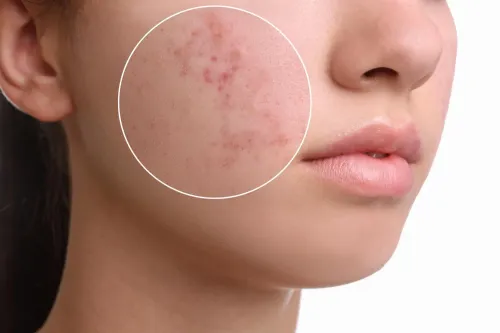
Acne is one of the most common skin concerns affecting teenagers and adults alike. While occasional breakouts are usually temporary, persistent acne can leave behind scars, pigmentation, and a lasting impact on self-confidence. The good news is that modern acne treatment goes far beyond over-the-counter creams. With the right diagnosis and treatment plan, it is possible to control active acne, reduce future breakouts, and improve overall skin health.
Many people delay seeking professional care because they believe acne will eventually disappear on its own. However, untreated acne can worsen over time and increase the likelihood of permanent scarring. Understanding the available treatment options can help patients choose the right approach before long-term skin damage occurs.
Why Does Acne Develop?
Acne develops when hair follicles become blocked with excess oil, dead skin cells, and bacteria. Hormonal changes often trigger increased oil production, creating an environment where acne-causing bacteria multiply.
Several factors may contribute to acne, including:
- Hormonal fluctuations
- Excess oil production
- Genetics
- Stress
- Certain medications
- Cosmetic products that clog pores
- High-glycaemic diets in some individuals
Because acne has multiple causes, treatment should always be based on the individual's skin condition rather than following a generic skincare routine.
Different Types of Acne Require Different Treatments
Not every breakout is the same. Identifying the type of acne is one of the first steps toward successful treatment.
Common forms include:
- Whiteheads
- Blackheads
- Papules
- Pustules
- Nodules
- Cystic acne
Mild acne may respond well to topical medications, while moderate to severe acne often requires a combination of medical treatments and advanced skin procedures.
Professional Acne Treatment Options
Dermatologists and aesthetic specialists may recommend different treatment methods depending on the severity of acne and the condition of the skin.
Some commonly used options include:
- Prescription topical creams
- Oral medications
- Chemical peels
- Medical-grade acne facials
- Laser and light-based therapies
- Scar revision procedures
- Skin rejuvenation treatments after acne control
The primary goal is not only to reduce existing pimples but also to minimise inflammation and prevent future breakouts.
Preventing Acne Scars Matters
One of the biggest reasons to treat acne early is to reduce the risk of permanent scarring. Deep inflammatory acne can damage collagen beneath the skin, leading to visible depressions that become more difficult to treat later.
Early medical intervention may help:
- Reduce inflammation
- Prevent deep acne lesions
- Minimise pigmentation
- Lower the risk of permanent scars
- Improve long-term skin texture
Addressing active acne before scars develop is generally more effective than treating scars after they appear.
Everyday Habits That Support Clearer Skin
Professional treatment works best when combined with healthy skincare habits.
Helpful practices include:
- Cleansing the face twice daily with a gentle cleanser
- Avoiding excessive scrubbing
- Using non-comedogenic skincare products
- Removing makeup before sleeping
- Protecting the skin with sunscreen
- Avoiding picking or squeezing pimples
Simple lifestyle changes can improve treatment outcomes and reduce the chances of recurring breakouts.
When Should You Consult a Specialist?
Professional evaluation is recommended if:
- Acne continues despite home treatment
- Breakouts are painful or cystic
- Acne leaves dark marks or scars
- Pimples frequently recur
- Acne affects confidence or daily life
A personalized treatment plan often produces better and more predictable results than experimenting with multiple over-the-counter products.
Choosing the Right Expert for Acne Treatment
Successful acne management requires understanding the underlying causes rather than treating visible pimples alone. An experienced specialist evaluates skin type, acne severity, hormonal influences, and existing scars before recommending an appropriate treatment plan.
Patients across Jaipur and Rajasthan increasingly seek personalised acne treatment that focuses on achieving healthier skin while reducing the risk of long-term scarring. Dr. Nakul Somani provides customised treatment plans based on individual skin concerns, helping patients understand the available options before beginning treatment.
Acne is a manageable skin condition, and early intervention can make a significant difference. Seeking professional guidance at the right time can help restore healthier-looking skin while reducing the chances of future breakouts and permanent acne scars.
Keywords